
Introduction to Affiliate Marketing
Understanding Affiliate Marketing
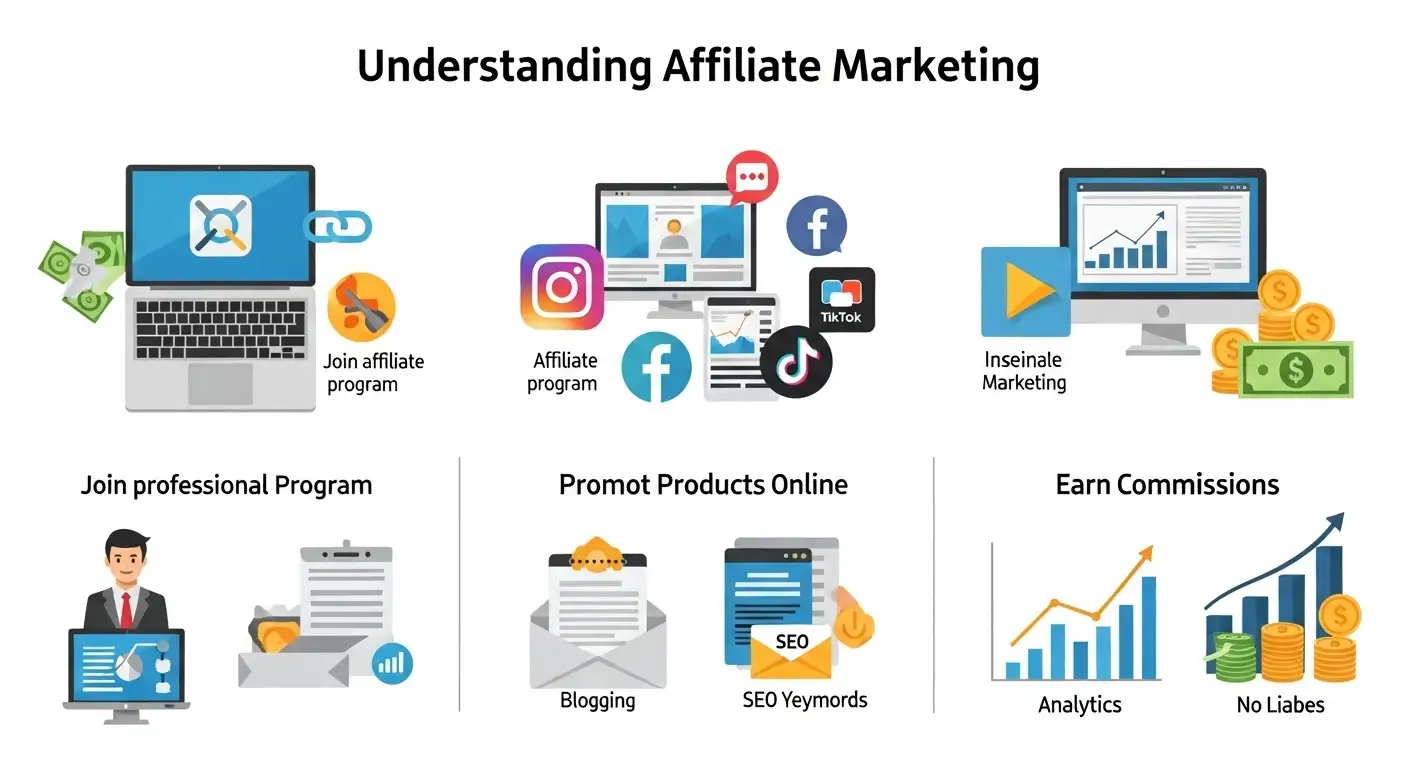
Affiliate marketing is a performance-based business model where individuals earn commissions by promoting products or services from other companies. This model has gained immense popularity due to its low barrier to entry and the potential for significant income. Beginners can easily start their affiliate journey by understanding the basics of how affiliate marketing works, including the various platforms available for promotion, such as social media, blogs, and email marketing.
One of the key aspects of affiliate marketing is niche selection. Choosing the right niche is crucial for success, as it determines the target audience and the types of products or services to promote. Beginners should consider their interests and expertise when selecting a niche, as this will help them create authentic content that resonates with their audience. Popular niches often include health, technology, and personal finance, but it’s essential to find a balance between passion and profitability.
Social media has revolutionized affiliate marketing, offering a vast audience and diverse platforms for promotion. Beginners can leverage platforms like Instagram, Facebook, and TikTok to share their affiliate links and engage with followers. Additionally, creating visually appealing content, such as videos or infographics, can enhance engagement and drive traffic to affiliate offers. Collaborating with influencers can also amplify reach and credibility in the chosen niche.
Email marketing remains a powerful tool for affiliate sales, allowing marketers to build a loyal subscriber base and promote products directly to their inboxes. Crafting compelling email campaigns that provide value to subscribers can lead to higher conversion rates. Beginners should focus on growing their email list through lead magnets and landing pages designed specifically for affiliate offers, ensuring they stay compliant with legal considerations in email marketing.
Finally, understanding SEO strategies is vital for driving organic traffic to affiliate content. By optimizing their blogs or websites for relevant keywords, beginners can attract more visitors and increase their chances of making sales. Utilizing tools for keyword research and analytics can help beginners refine their strategies and improve their overall performance in affiliate marketing. By mastering these essential elements, anyone can kickstart their affiliate journey and pave the way for success in this lucrative field.
Benefits of Affiliate Marketing
Affiliate marketing offers a multitude of benefits for beginners looking to carve out a niche in the digital landscape. One of the primary advantages is the low barrier to entry. Unlike traditional business models that require significant capital investment, affiliate marketing allows individuals to start with minimal costs. This democratizes the opportunity, enabling anyone with an internet connection to begin earning income by promoting products or services they believe in. This accessibility makes it an attractive option for those just starting their online journey.

Another significant benefit is the flexibility that affiliate marketing provides. Affiliates can work from anywhere and set their own hours, allowing them to balance their personal and professional lives more effectively. This flexibility is particularly appealing to those who may want to supplement their income while maintaining other commitments, such as a full-time job or family responsibilities. With the right strategy, affiliates can create a sustainable income stream without being tied to a physical location or rigid schedule.
Additionally, affiliate marketing offers a wide range of products and services to promote, accommodating various interests and niches. Beginners can select from a plethora of options, whether they are passionate about fitness, technology, fashion, or any other field. This variety not only keeps the affiliate marketing experience engaging but also allows individuals to leverage their personal interests and expertise, making it easier to connect with their audience authentically. The ability to choose what to promote can lead to greater success and satisfaction in the long run.
Moreover, affiliate marketing has a relatively straightforward learning curve compared to other online business models. Beginners can quickly learn the fundamentals of marketing, SEO strategies, and social media promotion without overwhelming complexity. There are numerous resources available, including online courses, blogs, and communities, that can guide newcomers through the process. This supportive environment encourages continuous learning and improvement, empowering individuals to refine their skills and optimize their affiliate marketing efforts for maximum profitability.
Lastly, the potential for passive income is a compelling reason to explore affiliate marketing. Once affiliates set up their marketing funnels and content strategies, they can earn commissions even while they sleep. This income model is particularly appealing for those looking to build long-term wealth with less active involvement over time. With patience and persistence, many affiliates find that they can create a steady income stream that provides financial freedom and the ability to focus on what they love
Common Myths Debunked
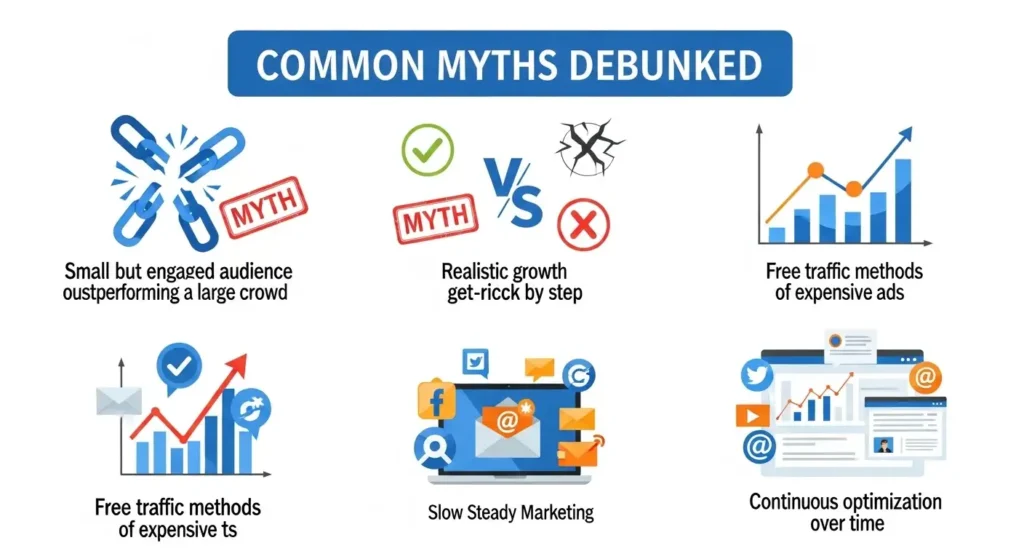
In the world of affiliate marketing, beginners are often misled by common myths that can hinder their success. One prevalent myth is that you need a vast audience to start earning significant income. While a larger audience can certainly help, it’s not the only path to success. Many successful affiliates have built their income by focusing on niche markets with engaged, smaller audiences. Quality over quantity often prevails in the affiliate landscape, so it’s crucial to target the right audience for your products.
Another misconception is that affiliate marketing is a get-rich-quick scheme. Many newcomers assume that once they set up their links, the money will start flowing in immediately. In reality, affiliate marketing requires time, effort, and strategic planning. Building a successful affiliate business involves understanding your niche, creating valuable content, and fostering relationships with your audience. Patience and persistence are key to achieving long-term success in this industry.
Some beginners believe that they need to be experts or have extensive experience to succeed in affiliate marketing. This is simply not true. While knowledge in your chosen niche can be beneficial, many successful affiliates started with little to no experience. The key is to be willing to learn, adapt, and try new strategies. There are numerous resources available, including online courses and communities, that can help you gain the skills needed to thrive in affiliate marketing.
Additionally, many newcomers fall prey to the myth that they must invest heavily in advertising to see results. While paid ads can be an effective strategy, there are many free methods to promote affiliate products. Social media platforms, blogging, and email marketing can all be leveraged to drive traffic without breaking the bank. Understanding how to utilize these tools effectively can lead to substantial earnings without significant upfront costs.
Lastly, some beginners think that once they have set up their affiliate links, their work is done. In reality, maintaining and optimizing your affiliate marketing strategy is an ongoing process. Regularly analyzing performance, testing different approaches, and staying updated on industry trends are essential for continued success. By debunking these myths, aspiring affiliates can better navigate their journey and build a sustainable income stream through affiliate marketing.